
Florida Public Records Law (Chapter 119)
Florida's open records system starts with the state constitution and Chapter 119 of the Florida Statutes. The policy is set in section 119.01, which declares that all state, county, and city records are open for inspection by any person. Anyone can ask. There is no need to be a Florida resident. There is no need to give a reason. The statute does not ask for ID. It does not ask for a written form. A request can be made by phone, by email, by mail, or in person.
The right to inspect and copy is set out in section 119.07. The custodian must allow inspection at reasonable times, under reasonable conditions, and under the supervision of the custodian or a designee. The same section sets the rules for charging fees and for redacting exempt content. Hillsborough County agencies use this framework when they handle a Chapter 119 request. The Clerk's records page cites Chapter 119, Rule 2.420, and Administrative Order AOSC08-5 as the three legal pillars that shape what the office can and cannot post online.
The first public-records image below comes from the official Florida Senate site. View section 119.01 at flsenate.gov.
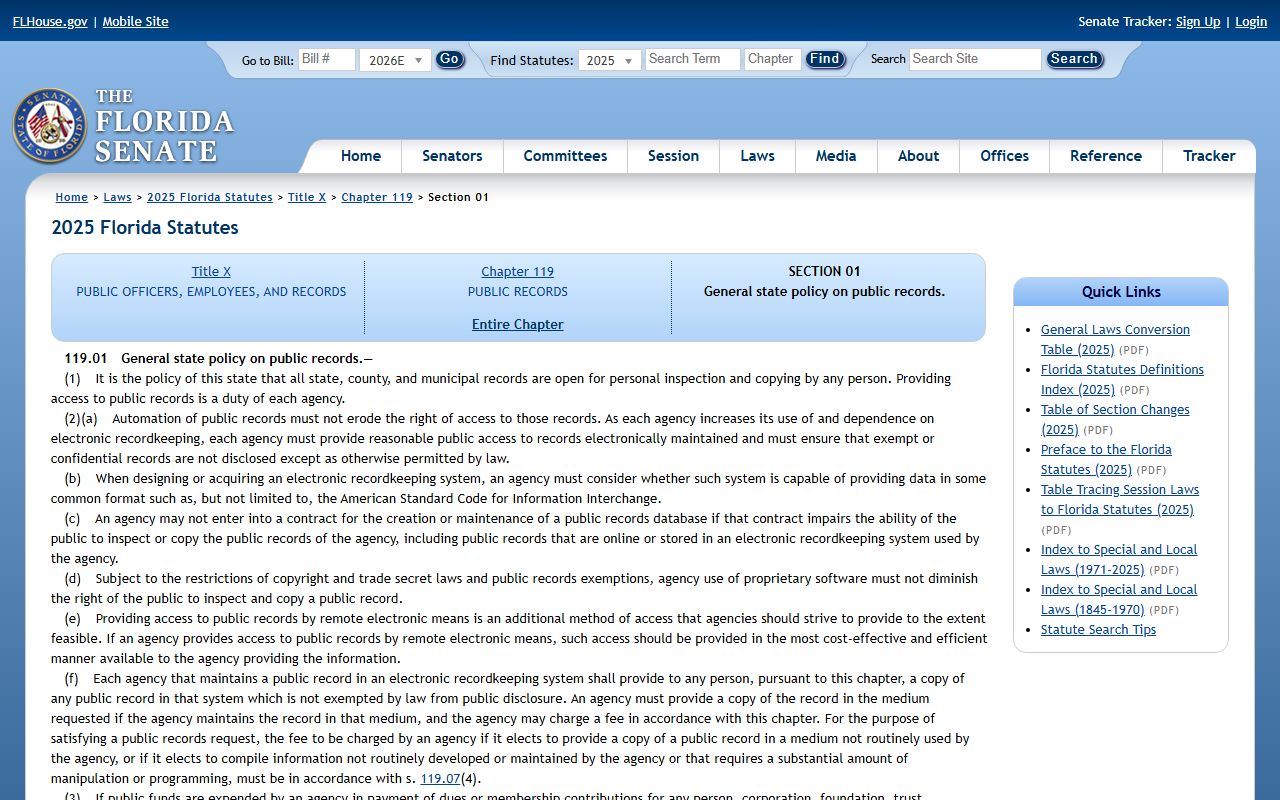
The statute text shows the state's general policy that records of the state and its political subdivisions, including counties like Hillsborough, are open to the public. This is the legal anchor for every Chapter 119 request filed in the county.
Judicial Records and Rule 2.420
Court records are not handled under Chapter 119. They sit in a separate legal track. The Florida Supreme Court created Rule of General Practice and Judicial Administration 2.420 to govern public access to judicial branch records. The rule defines court records, administrative records, confidential records, the role of the custodian, the rights of an affected non-party, and the duty of a filer to flag confidential material.
Hillsborough's Clerk of the Circuit Court wears two hats. When the office holds a case file, it follows Rule 2.420 and judicial-branch standards. When the same office holds a deed or a county board agenda, it follows Chapter 119. The split matters. A request that uses the wrong path can stall. Court files with sealed images, confidential party data, juvenile content, or domestic violence injunction details are handled under the rule and may need an in-person visit or attorney-of-record access through HOVER.
Note: A clear, narrow request that names the case number, the parties, or the date range moves faster than a broad ask for "all files."
Clerk Custodian Responsibilities in Hillsborough County
Victor D. Crist serves as Clerk of the Circuit Court and Comptroller for Hillsborough County. The office is the custodian for a wide slate of records. The Clerk's custodian list spells out which files the office keeps and which it does not. Court case files for the Thirteenth Judicial Circuit are kept by the Clerk. So are Official Records, marriage licenses, Board of County Commissioners minutes, and the county's comptroller files.
The Clerk also handles probate filings, plats, tax rolls dating back to 1883, marriage licenses dating back to 1831, and circuit civil judgments from 1972 to today. The Records Library acts as the archive for older filings. About 25 million documents have been recorded since 1846. Roughly 2,000 new files are added each day. Court filings are searched through HOVER. Official Records are searched through a separate portal. Both routes feed into eCertify when a sealed, certified electronic copy is needed.
- Circuit and County court case files
- Official Records (deeds, mortgages, liens, plats)
- Marriage licenses and marriage records
- Board of County Commissioners records
- County comptroller and finance records
- Probate, guardianship, and trust files
- Tax deed sale records
Note: The Clerk's office cannot give legal advice and cannot tell a requester which form to file.
Records the Clerk Does Not Keep
A common mistake is to send every public records ask to the Clerk. Many files live with other Hillsborough County agencies or with the state. The Clerk's custodian page is plain about this split.
- Accident and traffic crash reports are kept by the law enforcement agency that wrote the report (often the Hillsborough County Sheriff's Office or Tampa Police).
- Arson and fire reports go to the local fire department.
- Medical examiner records sit with the county medical examiner.
- Birth and death certificates are issued by the Florida Department of Health, not the county.
- Statewide criminal history checks come from the Florida Department of Law Enforcement (FDLE).
For arrest reports, jail incident reports, and Sheriff's Office records, the request goes to HCSO. The agency runs its own online intake portal. For state-level criminal history, the FDLE name-based or fingerprint check is the right path. Routing the ask to the proper office on the first try cuts the wait time in half.
Sheriff Records Portal
The Hillsborough County Sheriff's Office uses a hosted records portal at hillsboroughsheriff.govqa.us for public records requests. Sheriff Chad Chronister leads the agency. The Sheriff's Operations Center is at 2008 E. 8th Avenue, Tampa. The non-emergency line is 813-247-8200. The HCSO records portal handles asks for incident reports, calls for service, body-worn camera video, and other agency records that fall under Chapter 119.
The HCSO portal lets a requester set up an account, file the request, track it, message the records staff, and pay any charge online. Open the HCSO public records portal to start a request.
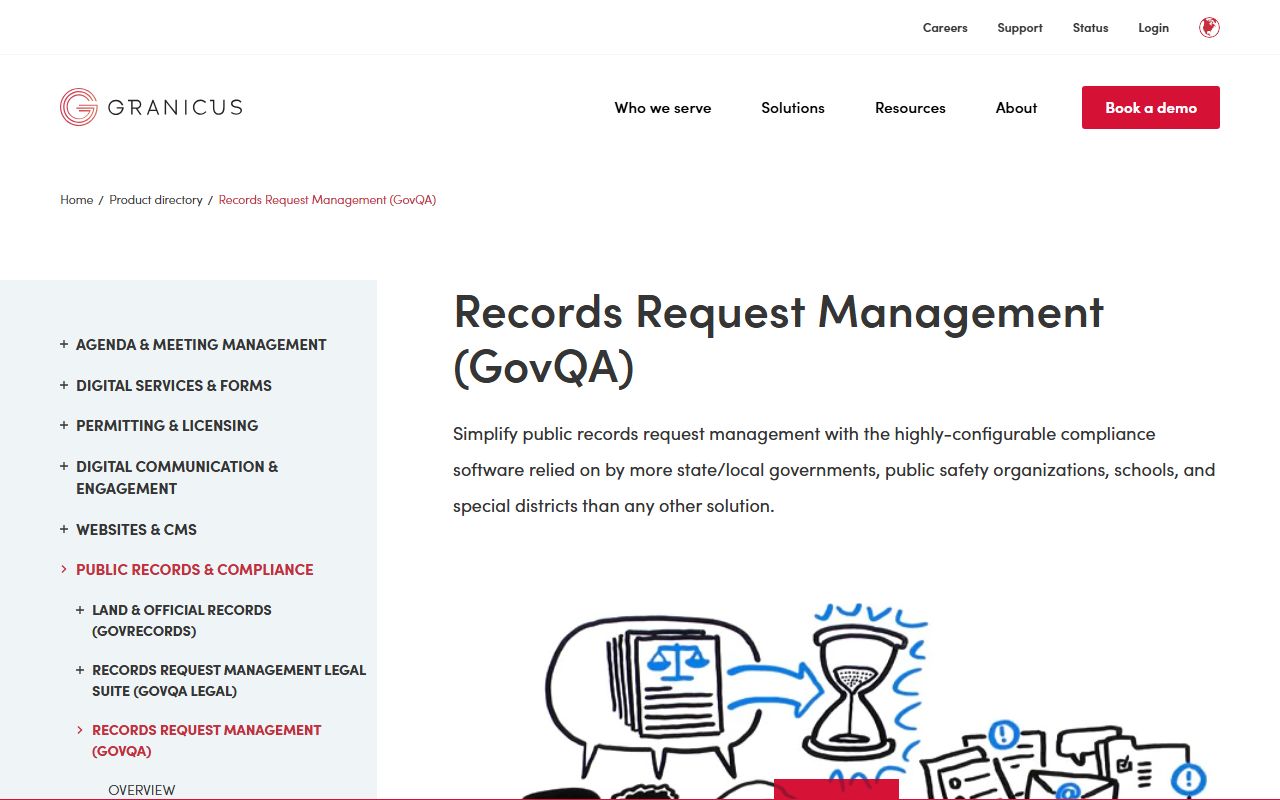
The portal screen confirms HCSO uses a hosted intake tool rather than email-only requests. The system gives the requester a tracking number, which speeds follow-up if a release takes more than a few days.
Official Records of Hillsborough County
Official Records cover land records, liens, marriage records, and a long list of recorded papers. The Clerk's Official Records page is the main portal. The office has recorded about 25 million documents since 1846. The Recording Department adds about 2,000 new files each day. The free public index runs from 1965 to the present. Older indexes and archived images can be requested by email at recordslibrary@hillsclerk.com.
The Records Library at Pat Frank Courts Building, 419 Pierce Street, Tampa, holds books and bound indexes for in-person review. Marriage license records are searchable online for the full period from 1831 to the present. Subdivision plats from 1948 to today are also online. Some images are blocked from the public web under section 119.071 and section 28.24. Death certificates, military discharge papers, and family or juvenile court file images are off-limits on the public web under section 28.2221.
How to File a Public Records Request in Hillsborough County
Filing a Chapter 119 request does not require a special form. A clear written ask is the safest route. A phone call works for simple records. The steps below cover both Clerk and Sheriff requests. The same flow works for most county agencies.
- Identify the right custodian. Court file goes to the Clerk's records request page. Sheriff records go to the HCSO portal. Land record goes to Official Records. Birth or death goes to Florida Health.
- Describe the records you want. Use names, case numbers, dates, addresses, or report numbers. The narrower the ask, the faster the reply.
- Pick a delivery channel. The Clerk takes online, email, mail, and walk-in requests. The Sheriff prefers the GovQA portal. Both channels accept anonymous requests under Chapter 119.
- Wait for an estimate. The custodian must respond in good faith and within a reasonable time. The office may send a cost estimate before pulling the file.
- Pay the fee if one applies. Per-page copy fees, certification fees, and labor charges may apply. The fee schedule below has the most common items.
- Receive the records. The office may send a digital file, a paper packet, or a download link. Sealed or exempt content is redacted before release.
Note: A request can ask for the records in any format the agency already uses, including PDF, CSV, or paper.
Public Records Request Form Fields
The Clerk and the Sheriff both accept written requests with the same core data points. A short cover note that fills in these fields keeps the process moving.
| Field | Required | Notes |
|---|---|---|
| Requester name | No | Florida allows anonymous requests, but a name helps with follow-up. |
| Contact email or phone | Yes for delivery | Needed so the office can send the cost estimate and the records. |
| Agency / department | Yes | Name the office that holds the file (Clerk, Sheriff, BOCC). |
| Description of records | Yes | Case number, report number, party name, address, or topic. |
| Date range | Recommended | A tight window cuts search labor and fees. |
| Format preference | Optional | PDF, paper copy, certified copy, or CD/USB for video. |
| Reason for request | No | Florida does not require a reason; field can be left blank. |
| Delivery method | Yes | Email, mail, in-person pickup, or portal download. |
Fees and Copy Charges
Service charges for the Clerk are set by Florida Statutes section 28.24, plus county ordinances, court rules, and special acts. The Clerk's posted fee chart lines up with the statutory caps. Other agencies use the Chapter 119 fee rule, which lets them charge for the actual cost of duplication and, for a request that needs extensive use of staff time, a fair labor rate.
| Item | Amount |
|---|---|
| Photocopy up to 8.5 x 14 inches | $1.00 per page |
| Larger photocopy | $5.00 per page |
| Certifying a copy of any instrument in Public Records | $2.00 |
| Exemplified certificate | $7.00 |
| Notarizing papers | $10.00 |
| Sealing a court file or expungement of a record | $42.00 plus copy/cert costs |
| eCertify vendor fee per document | $6.00 |
| eCertify Clerk fee | $2.00 per document plus $1.00 per page |
| eCertify payment processor surcharge | 3.5% added at checkout |
Extensive-use labor charges are allowed under section 119.07 when the request needs a lot of staff time. The agency must give a written estimate before doing the work. A requester can scale down the ask to cut the labor fee.
Response Timeline
Florida law does not set an exact deadline in days. Section 119.07 uses the words "limited delay" and "reasonable time." Courts read this to mean the custodian must move at once on a simple ask and may take longer on a broad ask that needs review. A request for a single deed often comes back the same day. A request for body-worn camera video can take weeks because each frame must be checked for exempt content.
If a request stalls, the next step is a polite written follow-up that cites Chapter 119 and asks for the status. Hillsborough County agencies log their requests and can usually give a clear update. A denial must come in writing and must state the statutory basis for the redaction.
Confidential Information Removal
Some records hold data that is exempt under section 119.071. Examples include Social Security numbers, bank account numbers, victim addresses, and law-enforcement security details. The custodian must redact the exempt parts and release the rest. A person who falls into a protected class, such as a law enforcement officer, judge, or domestic violence survivor, can ask to have their home address removed from a recorded document or online image.
The Clerk's office requires a notarized request for online image removal. The request must cite the statutory basis for the removal and confirm the requester's eligibility. The Clerk warns that grantor, grantee, and party names cannot be removed from the Official Records index. Only the image is masked. The underlying paper record still exists.
Note: A redacted release is still a Chapter 119 response and the agency must explain which statute supports each redaction.
Legal Help and Public Records Disputes
When a request is denied, ignored, or partly released without a clear basis, the next step is often legal. Chapter 119 gives a requester the right to file a civil suit in circuit court. The court can order release and can award the requester's attorney fees if the agency lost a record without legal cause. Many requesters start with a letter from a lawyer rather than a full lawsuit.
The Florida Bar Lawyer Referral Service matches a caller with a vetted attorney in the right field. The service is statewide and works for civil, criminal, and public records issues.
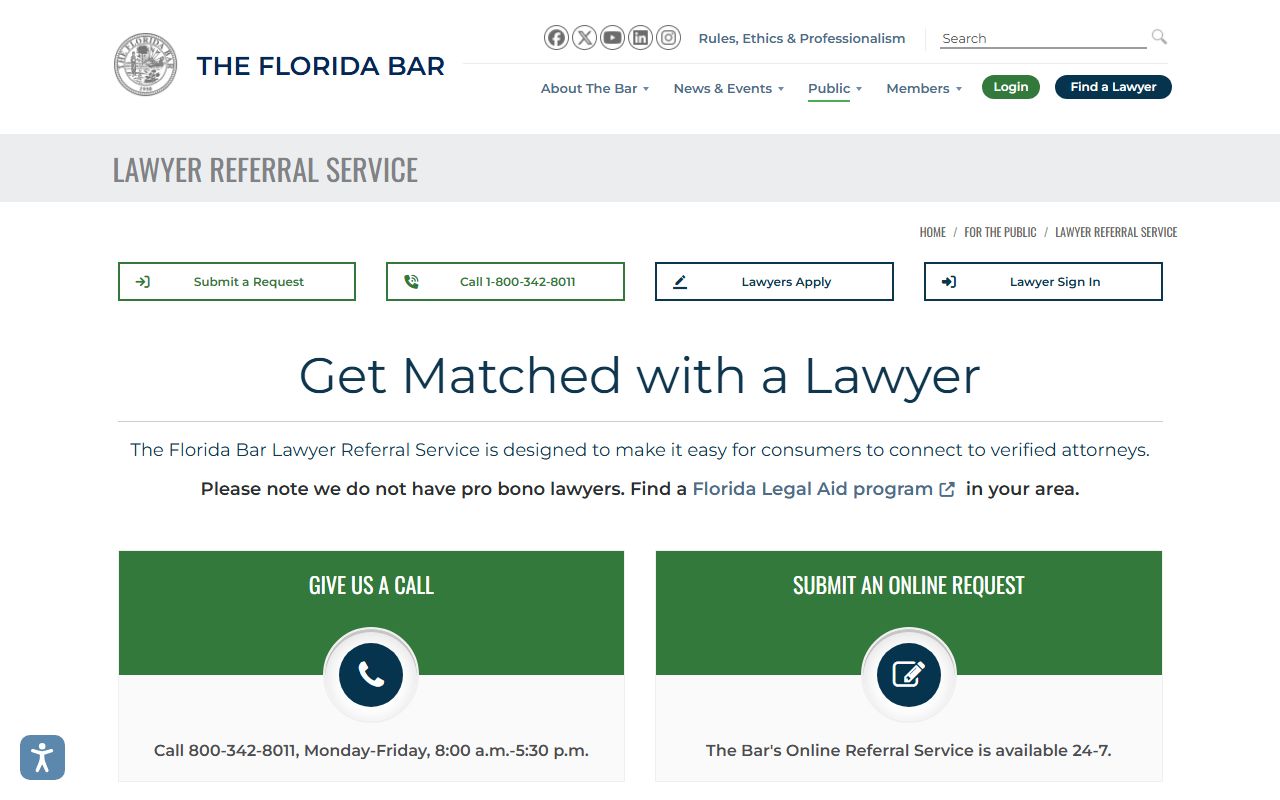
The Bar's referral tool is the safest first call for a person who is not sure which type of lawyer to hire.
For lower-income residents, Bay Area Legal Services in Tampa offers free civil legal aid for housing, family, consumer, and benefits cases.
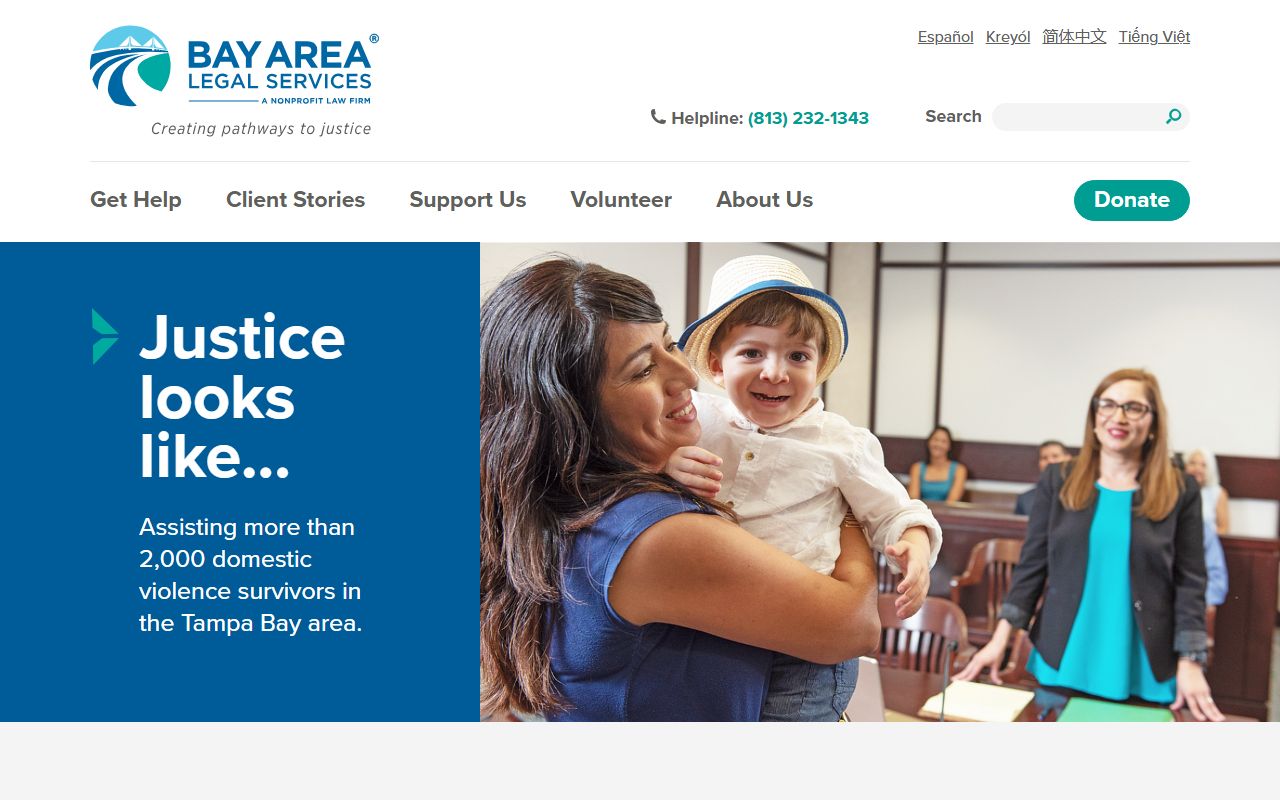
Bay Area Legal covers Hillsborough and several nearby counties. Intake hours and case types are posted on the home page.
Federal records, federal criminal cases, and federal public records issues that touch the Middle District of Florida go through the U.S. Attorney's Office, Middle District of Florida in Tampa.
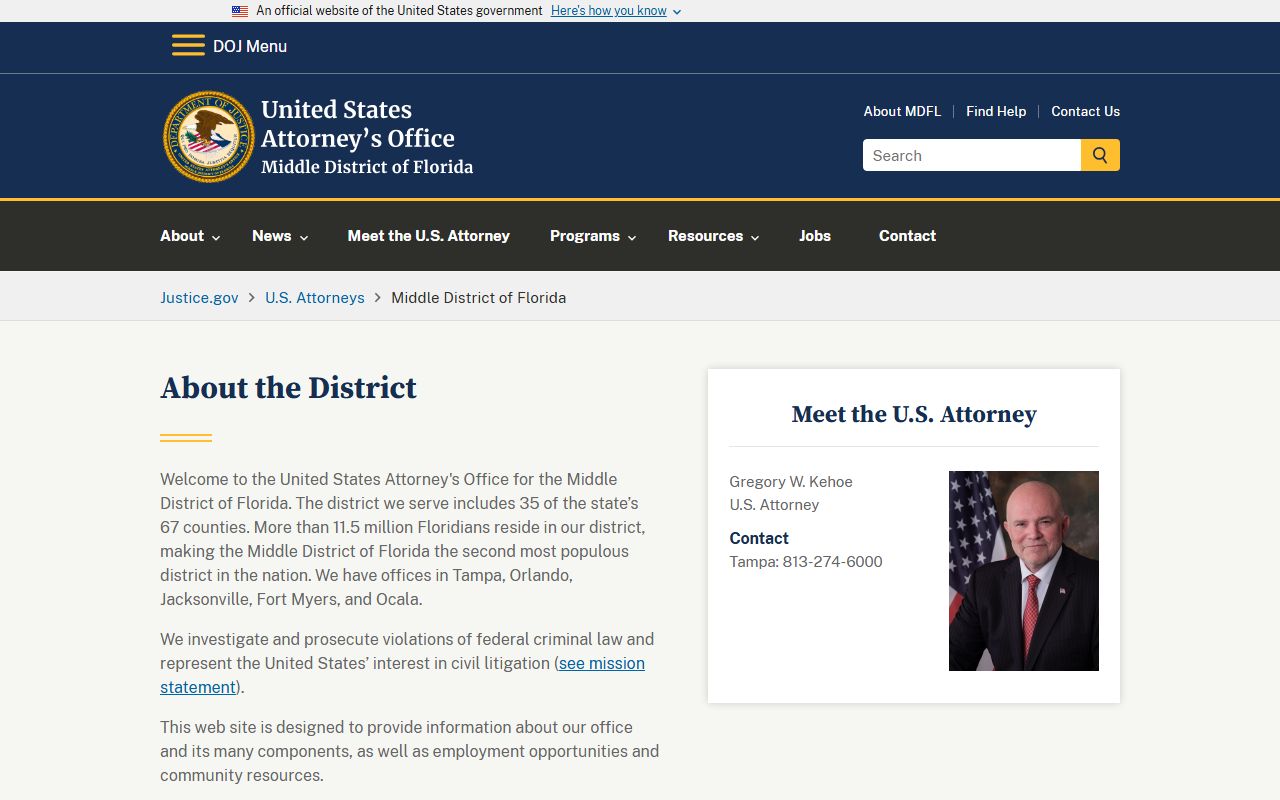
The U.S. Attorney's site lists press releases, victim and witness resources, and contact details for the Tampa division.